Traditional Warm Soft Lights vs. Brilliant Shade LEDs: Which Style Fits Your Home?
Outdoor lights selections often tend to look basic on a display and remarkably complicated on a real house. A hair that really feels relaxing in an item picture can disappear versus dark brick. A vivid color-changing arrangement that looks interesting in a showroom can feel loud on a quiet colonial facade. Many house owners are not actually selecting in between "old" and "new" lights. They are selecting what type of mood they desire their home to task, just how much adaptability they need, and how much interest they desire the lighting itself to demand.
That is why the argument between traditional warm soft lights and intense color LEDs is worth slowing down for. The most effective response is hardly ever about which one is better in the abstract. It has to do with architecture, neighborhood context, everyday use, holidays, upkeep assumptions, and individual taste. I have actually seen residences changed magnificently by both techniques, and I have also seen pricey installments feel wrong due to the fact that the lighting style fought the personality of the home.
If you are taking into consideration Permanent LED Lights Installation, or considering changing seasonal strings with Long-term Holiday Lighting, the choice gets even more important. A temporary error comes down in January. A long-term system stays visible year-round and becomes part of your home's identity.
What traditional cozy soft lights really do well
Classic Cozy Soft Lights have remaining power for a reason. They flatter homes. They produce depth without taking the entire scene. The shade temperature, normally in the warm white variety, gives off a candlelit or incandescent feel that lots of people instinctively read as welcoming.
On standard homes, particularly brick colonials, craftsman bungalows, farmhouses, and cape cods, cozy light usually seems like it belonged there initially. It details rooflines gently, softens sharp fascia sides, and makes landscaping feel even more total after dark. Also when the component innovation is modern, the impact nods to the sort of vacation illumination individuals bear in mind from childhood. That knowledge matters more than lots of buyers realize.
Warm white additionally has a tendency to be flexible. If your roofline has several optimals, dormers, or irregular altitudes, softer illumination can smooth visual transitions that bright saturated shades tend to exaggerate. The same is true if your residence has actually blended materials like stone, stucco, and exterior siding. A cozy wash can merge those surface areas rather than making every structure complete for attention.
There is likewise the problem of day-to-day use. Many home owners initially buy vacation effect, after that recognize their long-term lights will invest most of the year doing various other jobs. They want a subtle night glow in summer, a polished search for supper parties, or sufficient accent lighting to make your house feel occupied when they are away. Warm white handles those moments beautifully. It reviews as building illumination, not event lighting.
That does not suggest cozy white is always underrated. On the ideal residence, it can look crisp, upscale, and costly. A tidy roofline traced in soft cozy LEDs can elevate aesthetic appeal in a way that intense colors typically can not, just because it feels intentional as opposed to novelty-driven.
Where brilliant color LEDs have a real advantage
Bright shade LEDs bring adaptability that warm white alone can not match. If you desire one system to manage Xmas, Halloween, birthdays, graduation events, game days, and community occasions, color-changing LEDs are tough to beat. With a high quality controller and thoughtful shows, you can change your whole outside look in seconds.
That versatility is particularly appealing for family members who embellish often. As opposed to climbing up ladders and switching light bulbs or hanging new strands for every celebration, they tap a phone and adjustment scenes. Red and green in December, orange and purple in October, patriotic combinations in July, school colors for an elderly night, pink or blue for a child statement. The ease is not trivial. Once homeowners experience it, numerous never ever intend to go back to unpacking bins of seasonal lights.
Bright shade LEDs can likewise fit even more modern homes remarkably well. On contemporary elevations with dark trim, metal roof coverings, sharp geometric lines, and huge windows, saturated color can really feel clean and willful. Your house itself currently has visual boldness, so the illumination can bring stronger contrast without looking out of place.
There is additionally a functional side to shade that people sometimes overlook. Bright LEDs are extra noticeable from a distance. If your home rests deep off the road, on a large whole lot, or behind fully grown trees, solid color outcome might read much better than cozy white. In neighborhoods where exterior displays become part of the culture, brilliant programmable illumination can aid your house participate rather than fade into the background.
Still, this is where restriction issues. A capable lighting system does not suggest every evening should look like a theme park. The property owners who remain happiest with intense color LEDs are usually the ones that utilize them precisely. They appreciate the vibrant setups for special moments and keep a calmer default for the rest of the year.
The residence itself ought to obtain a vote
An illumination design ought to support the style, not subdue it. This sounds obvious, but it obtains shed once people start going shopping by function list.
Traditional design usually reacts best to warmth. If the home has shutters, divided-light windows, natural stone, cedar accents, or a front patio with columns, warm soft lights generally improves those details as opposed to squashing them. The eye notifications the form of the house first, then the lights.
Homes with easy rooflines can go regardless. A ranch, as an example, can look perfectly understated in warm white or clean and joyful in color, relying on landscaping and exterior coating. The exact same holds true for rural two-story builds with neutral home siding and black trim. These homes are versatile canvases.
Contemporary homes are where bright color LEDs commonly make the strongest situation. The style is currently graphic. Direct light can highlight roofing system sides, parapets, and modern-day entries with precision. Yet even there, an irreversible system should consist of white tones. A residence that can only speak in saturated color ends up being tiring over time.
The roofline matters as well. Complicated roofing system geometry can make bright color look fragmented if each section reviews as a separate visual signal. Cozy white has a tendency to stitch those sections with each other. On the other hand, a basic gable or lengthy straight fascia can manage more powerful color with much less chaos.
I frequently inform house owners to think of the lights on a random Tuesday in March. Not Christmas Eve, not Halloween weekend, simply a regular night. If they can visualize the house looking excellent because minute, they are better to the best choice.
Mood is not a little detail
People underestimate exactly how deeply lighting affects emotion. Shade temperature and intensity alter the whole social message of a home.
Warm soft light suggests tranquility, friendliness, and durability. It says the house is taken care of. It really feels resolved. You see this most clearly in areas where people stroll in the evening. A warm-lit home often tends to add to the street as opposed to perform for it.
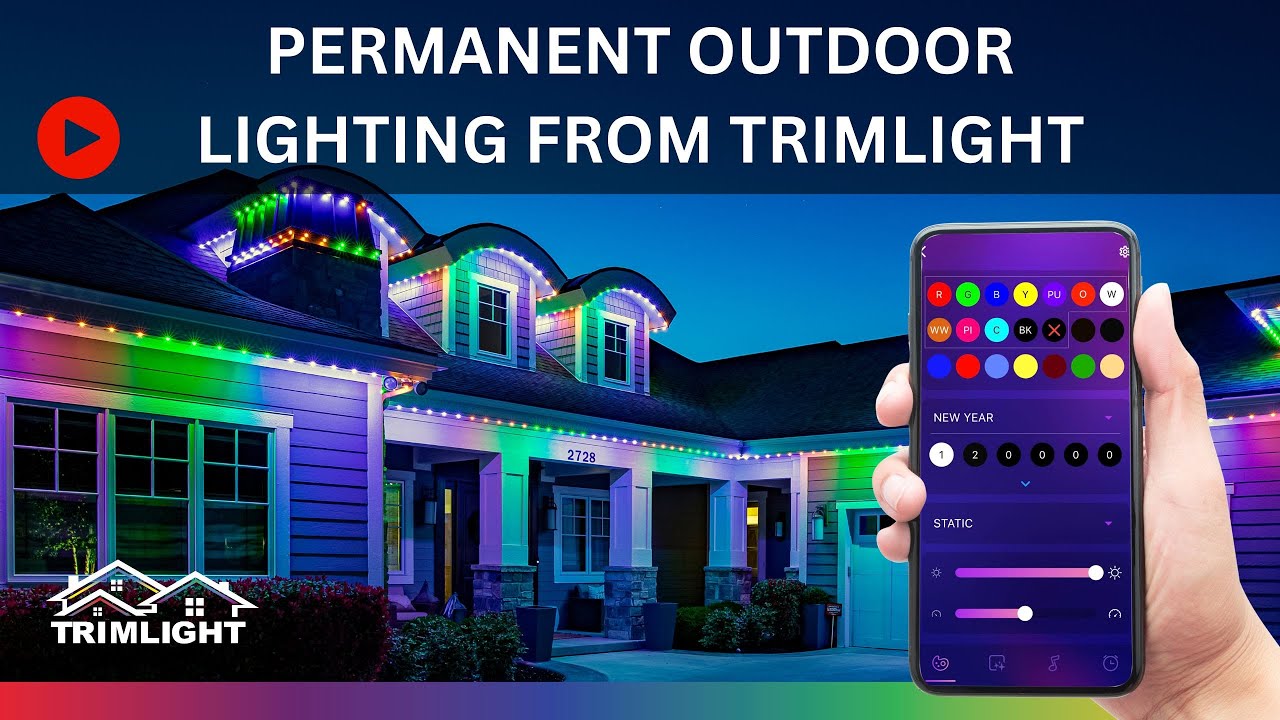
Bright color lights connects energy. At its ideal, it really feels commemorative and meaningful. It can be truly enjoyable, especially for families with kids or home owners who entertain often. At its worst, it can really feel restless. If every evening is high-saturation blue, red, or eco-friendly, the eye never ever gets a location to relax.
This is not simply an issue of choice. It affects exactly how usually you will really use the system. Property owners who think they want optimal brightness sometimes discover they only appreciate it for brief ruptureds. After a couple of weeks, they start calling points down. That is one factor a great deal of costs permanent systems are inevitably set to warm white or extremely soft pastel scenes the majority of the year, also when they are completely capable of creating dazzling color.

Brightness, glow, and why setup quality matters so much
An usual mistake is judging a lights design without separating it from setup high quality. Poor positioning can make any kind of light look negative. Cozy white can appear weak or uneven if spacing is inconsistent. Brilliant shade LEDs can look extreme if the diodes are exposed directly to the street rather than tucked right into a soffit or track developed to hide them.
With Permanent LED Illumination Installation, the visual end result depends upon more than light bulb color. Spacing, beam of light angle, placing setting, controller high quality, and lowering capacity all issue. An intense system with appropriate dimming can offer you both lively holiday scenes and stylish low-level nighttime illumination. An inexpensive system with minimal control often leaves you choosing in between also bright and off.
If your home faces next-door neighbors at close quarters, glare needs to become part of the discussion from the beginning. Saturated LEDs intended badly can reflect off home windows, bounce off light home siding, or create uncomfortable hotspots. Warm soft lights are not immune to this, but they are generally simpler to soften.
A properly designed permanent system should vanish throughout the day as high as possible. Tracks must match trim or fascia. Wiring needs to be concealed. Mounting must value roof covering sides and drainage paths. The cleanest tasks are the ones you hardly observe up until evening.
Cost is not only concerning the upfront number
When people compare classic warm strings to programmable LEDs, they frequently frame it as affordability versus deluxe. Real life is a lot more complicated.
Traditional seasonal lights can be cheaper at the point of acquisition, but they also include reoccuring labor, storage, substitute light bulbs, extension cord monitoring, and the yearly routine of hanging and removing them. For some families, that initiative belongs to the period. For others, it ends up being the factor they stop embellishing at all.
Permanent Vacation Lights cost more ahead of time, particularly if professionally installed, however they change the economics gradually. You are paying for infrastructure, toughness, benefit, and control. If you currently spend on seasonal installment yearly, an irreversible system might make monetary sense sooner than anticipated. If you commonly vomit a couple of affordable strings yourself and appreciate doing it, the repayment is much less obvious.
There is likewise a resale and curb allure angle, though it must not be overemphasized. A classy permanent system can make a home really feel more completed and much easier to keep. A garish or poorly installed one can do the contrary. Customers react to the effect, not just the attribute list.
How areas shape what works
Lighting https://permanentlocationrating537.wpsuo.com/20-advantages-of-finding-permanent-holiday-lights-for-your-home does not exist in a vacuum cleaner. The exact same setup can feel ideal in one neighborhood and out of action in another.
On wooded whole lots, warm soft illumination typically looks particularly solid since it enhances natural environments. Versus fully grown trees and darker histories, your home glows instead of blinking. In thick class where vacation engagement is high, brighter colors may feel more in your home. In high end communities with thoroughly preserved outsides and strong building character, subtlety normally wins even more admiration than intensity.
Homeowners associations can likewise affect the decision. Some have regulations concerning exposure, shade usage, or exactly how irreversible fixtures might be mounted. Even where there are no formal restrictions, casual area standards issue. If every home close-by uses restrained white accent lighting, a strongly bright rainbow establishing every weekend break may not land the means you hope.
That said, there is no need to squash your individuality to match everybody else. The better technique is variety. A good system lets you celebrate when you want and assimilate when you prefer.
A practical means to pick between the two
If you are torn, do not start with product brochures. Start with how you live.
Ask on your own a few uncomplicated questions:
- Do you want your home to feel stylish most nights, or cheery most nights?
- Will you realistically use color scenes usually, or a handful of days each year?
- Is your home's style typical, transitional, or modern?
- Are close next-door neighbors most likely to see the lights head-on?
- Do you want the system mostly for vacations, or for year-round visual appeal?
Those questions usually clear up the solution swiftly. A property owner that values classic curb appeal, subtle night setting, and broad architectural compatibility is normally happiest with Classic Warm Soft Lights or a color-capable system that defaults to cozy white. A property owner that enjoys seasonal expression, delights often, and desires one setup for numerous occasions will likely appreciate bright shade LEDs, supplied the system likewise lowers well and includes attractive white settings.

The happy medium that offers most homes best
The most intelligent option for many families is not purely one camp or the other. It is a premium long-term system with the ability of brilliant shades, utilized with technique and programmed around warm white as the baseline.
That crossbreed approach works because it mirrors exactly how individuals in fact live. They desire a gorgeous daily look, yet they likewise desire the fun alternative readily available. The technique is seeing to it the irreversible daytime appearance is tidy and the nighttime default is livable.
Here is where many expert installers guide knowledgeable customers:
|Top priority|Best healthy||-- |--|| Classic visual allure|Warm white focus|| Frequent holiday changes|Color-capable LEDs|| Standard design|Warm white, low glow|| Modern design|Color-capable, meticulously configured|| Everyday use all year|Dimmable warm or tunable white standard|
A tunable or programmable system can bridge the void if it has sufficient control. Cozy white for the majority of evenings, richer amber for autumn, crisp amazing white for certain wintertime looks, and vivid vacation color when the schedule requires it. The value lies in having options without feeling obliged to use all of them all the time.
Mistakes house owners regret
The remorses are incredibly constant, and they are seldom about selecting LEDs versus traditional design in the abstract. They originate from mismatch.
Some home owners pick bright color solely because the application looked interesting, then find they primarily want a tranquil every night radiance. Others pick cozy white due to the fact that it really feels secure, then wish they had a lot more versatility as soon as birthday celebrations, group occasions, and holidays roll around. A few install visible hardware that interrupts the roofline in daylight, which troubles them far more than the nighttime effect pleases them.
The most usual regret, however, is overshooting brightness. Outside lights has a way of rising during buying. On mount day, brighter seems much better. A month later on, individuals desire lowering, softer scenes, and less glow spilling into bedroom windows. It is much easier to increase intensity on unique occasions than to live with a system that constantly really feels aggressive.
Another mistake is failing to check colors against the real house outside. Red block can misshape particular tones. Beige home siding can make warm whites read yellow. Deep charcoal exteriors can ingest low-output settings. Product examples matter since homes are not neutral backdrops.
What fits your home best
If your home leans standard, if you care a lot of about aesthetic charm, and if you desire lighting that looks great far past the vacations, timeless warm soft lights are the more secure and typically extra stunning choice. They mature well, flatter a wide variety of products, and produce the kind of welcome most home owners never tire of.
If your home celebrates usually, takes pleasure in altering scenes, and wants an illumination system that can pivot from downplayed to lively, intense color LEDs use genuine advantages. The trick is picking a system with solid dimming control and using it with a bit of restraint.
For several homes, the best response is a long-term arrangement that can do both, with warm soft light as the day-to-day structure and shade booked for moments that deserve it. That offers you the gloss of architectural lights and the adaptability of Irreversible Vacation Lights, without requiring your home into one state of mind every evening of the year.
A residence does not require to scream to feel special. It simply needs illumination that matches its character, supports the method you live, and still looks right when the uniqueness wears off. When that equilibrium is right, the lights stop feeling like a design and start seeming like component of the home.